
Generation vs Transmission
Generation was the easy part.
Australia is good at building renewable generation. Solar farms go up fast. Wind projects get financed and built. Rooftop solar sits on millions of homes. The cost of a panel has fallen so far that the economics are very palatable.
The wires are another matter, however.
AEMO's plan for the grid calls for close to 10,000 kilometres of new and upgraded transmission by 2050, with about half of it needed by 2030. High-voltage lines strung across farmland and ranges, connecting the places with sun and wind to the cities that burn the power. Without those lines, a solar farm is a paddock full of panels with nowhere to send its output.
So far the wires are the part not going well.
Take HumeLink, the 500 kilovolt line meant to connect Snowy 2.0 and the renewable zones of southern New South Wales to the coast. Transgrid first pitched it at around $1.3 billion. By 2021 the official estimate was $3.3 billion. By 2024 it was close to $4.9 billion, and the line's planned capacity had been cut at the same time. Construction only began in late 2025. The target completion date is widely viewed as out of reach.
It isn't alone. Project EnergyConnect, the 900 kilometre interconnector between South Australia and New South Wales, tells two stories at once. The South Australian section was finished on time and on budget in 2023. The New South Wales section has run late and over cost, with its build contract renegotiated partway through. VNI West, the planned link between New South Wales and Victoria, is being projected above $11 billion while still in planning.
Transmission is genuinely hard to deliver. The lines cross hundreds of kilometres of private land, which means negotiating easement by easement with farmers who get the towers but not the power. Routes get challenged. The high-voltage equipment sits in a global queue, and Australia is a small buyer competing with the rest of the world's grids for the same transformers and cable. The cost estimates are struck years out from construction, at a stage where a swing of thirty or fifty per cent is treated as normal, then they get quoted as if they were firm.
The numbers are important because delay isn't free. AEMO costed the transmission in its lowest-cost path at around $16 billion and argued it would save consumers far more than it costs. The catch is that the savings only show up if the lines are built roughly on time. When transmission slips, the cheap renewable power stays stranded behind the bottleneck, the ageing coal plants run longer than planned, and the wholesale price stays higher than it needs to be. Modelling prepared for the New South Wales parliament found that years of delay add hundreds of dollars to a household bill. The wires you don't see end up on the bill you do.
It's an easy story to get wrong from the outside. The visible part of the transition is the generation, the solar and the turbines and the batteries. The part that decides whether it works is the unglamorous grid behind it. Australia has proven it can build the generation, but the open question, the one the next five years will answer, is whether it can build the wires to carry it.
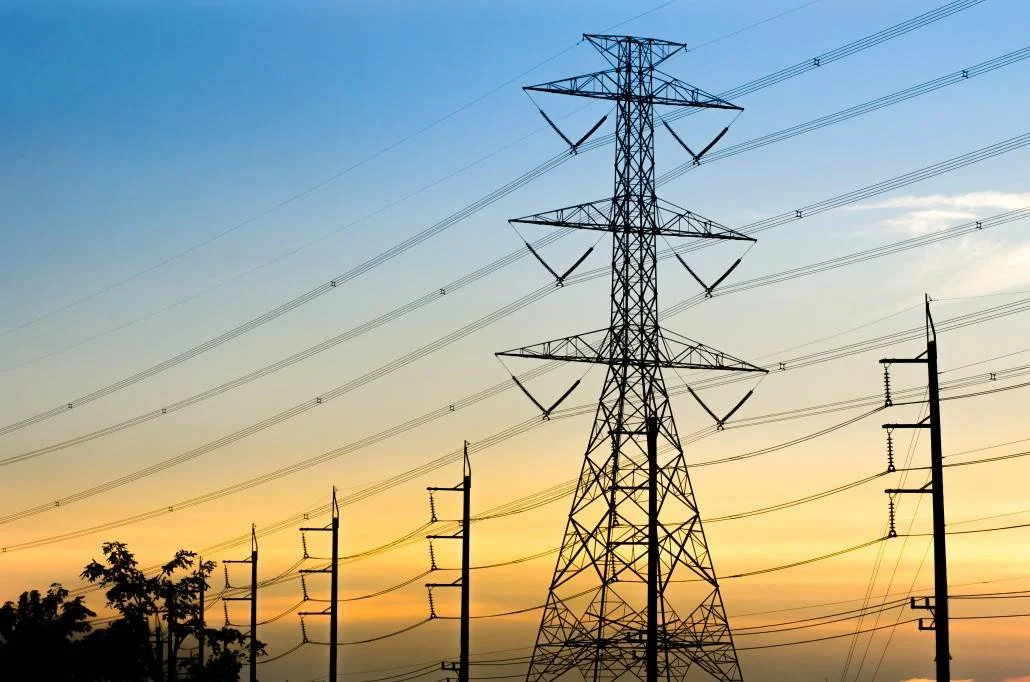
Electrical Transmission Lines